Choosing between deep tissue and Swedish massage is less about which one is "much better" and more about matching the technique to your body's requirements on an offered day. I have actually dealt with competitive professional athletes who begged for deep, targeted pressure one week, then requested for the gentle recalibration of a Swedish session the next. Desk-bound customers typically start with Swedish to disrupt the cycle of tension, then layer in components of deep tissue as particular issues emerge. The 2 approaches can even exist together within a single visit. Understanding how and why they differ helps you get the results you want, without unneeded soreness or disappointment.
What sets them apart beneath the hands
Both deep tissue and Swedish massage share the same physiological canvas: muscles, fascia, joints, and the nervous system that governs them. The techniques diverge in intent, pressure, and pacing.
Swedish massage utilizes long sliding strokes, kneading, and rhythmic tapping to increase blood circulation, coax the parasympathetic nerve system into the lead, and relax generalized stiffness. Think about it as a full-body reset that enhances circulation and reduces general tone. The pressure ranges from light to firm, however the objective is convenience and consistency, not brave force.
Deep tissue massage narrows the spotlight. It aims at adhesions, trigger points, and persistent holding patterns using slower, more purposeful strokes, often applied with lower arms, elbows, and sustained compressions. Contrary to the name, it is not constantly about optimum pressure. It is about accuracy and time under tension so the much deeper layers can yield. Sessions often focus on two or three problem areas instead of the entire body.
Neither method is a discomfort contest. When succeeded, each should feel purposeful and safe. The ideal depth is the one that lets you breathe naturally and feel muscle stress easing, not bracing.
How each session normally feels from start to finish
Clients tell me Swedish massage feels like somebody is ironing the wrinkles out of a day, or perhaps a month. After a quick consumption, I normally start with light effleurage to warm tissues, then shift into rhythmic kneading and mild joint movements. The pace stays steady. Your body recognizes the pattern, softens its guard, and blood circulation rises. Most people leave feeling extended and calm, as if the volume knob on background stress has finally clicked down.
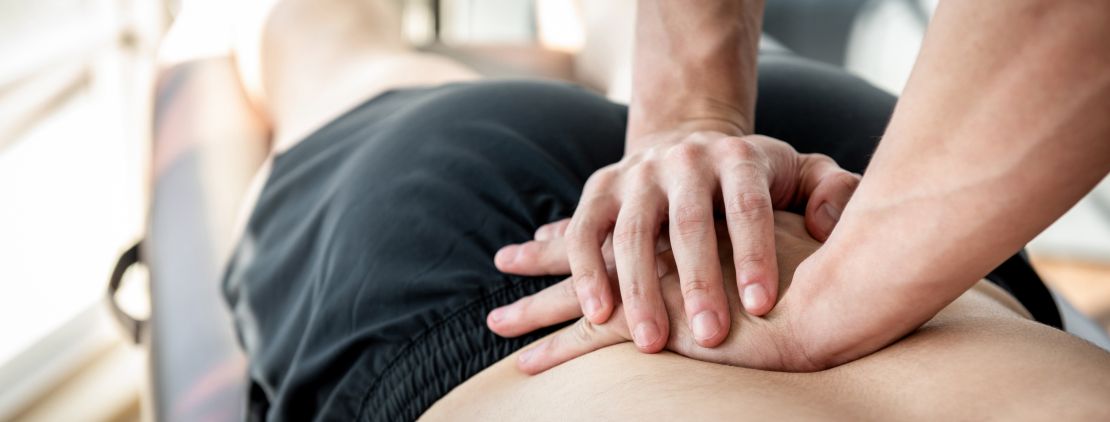
Deep tissue sessions often have more conversation, particularly at the start. We map the problem: When did your shoulder start capturing throughout overhead presses? Which side of your low back fusses when you drive? After warming the location, pressure ends up being slower and more specific. I might sink an elbow into the upper trapezius and await the muscle to breathe back. Expect quick minutes of strong sensation, then a noticeable release. It is normal to feel tender in targeted areas that evening, especially if hydration and light movement lag, but you must still feel looser and more aligned in the impacted region.
Results you can realistically expect
If you want stress relief, much better sleep, and a general sense of wellness, Swedish massage is the straightest path. People often report less headaches, much better state of mind, and less jaw clenching after even a single session. It is likewise a great way to learn how your body likes to be worked without overwhelming the anxious system.
If you desire change in a specific issue - state persistent hip tightness from running or an irritating knot along the inner border of the shoulder blade - deep tissue brings the tools for redesigning tissue habits. It frequently pairs well with sports massage therapy, specifically before a training block or throughout a deload week. For hamstrings that seem like cable televisions or calves that seize midway through a sprint, focused deep work followed by active movement drills can make the change stick.
I track results in concrete terms. A marathoner whose best piriformis fired like a tripwire went from a pain level of 6 to 2 on stairs after 3 weekly deep tissue sessions plus home glute activation. An office manager who booked monthly Swedish massage reported cutting headache days from 8 monthly to three, with less pain reliever doses. These are not medical trials, however in the treatment space, consistent patterns matter.
The function of pressure, discussed without myths
"Harder is better" is the most persistent misconception in massage treatment. The nerve system is the gatekeeper. If you tense up, hold your breath, or feel you have to sustain, your body checks out that as a threat. Muscles guard, fascia stiffens, and the work loses its edge.
I utilize an easy scale from one to 10 during sessions, where four to 6 is the sweet spot for change without guarding. Deep tissue may flirt with a 7 for a moment, then decline as fibers release. Swedish work often remains around a three to 5, inviting your body to drop the shields. Customers are typically surprised that tissue can melt under moderate pressure if the contact is slow, aligned, and patient.
Matching the treatment to your day, your training, and your goals
Your choice can and must alter with your schedule and stress load. If you are tapering for a race, a complete deep tissue overhaul 2 days before the start rarely pays off. Moderate to moderate Swedish work with a few targeted releases generally serves you better. If you have two weeks before a heavy meet or a long walking, much deeper sessions can develop area in persistent areas, followed by lighter tune-ups.
For individuals who raise, consider the training week. Early in the week, after your heaviest session, deep tissue to the posterior chain can assist you reclaim hip hinge mechanics. Later on in the week, or the day before a technical lift day, Swedish work keeps the nervous system fresh. Team-sport athletes frequently gain from short sports massage sequences pre-event to increase readiness - brisk effleurage, active range-of-motion work, and short compressions - then deeper, slower deal with off days to tidy up hotspots.
Desk employees typically live with a different rhythm. Swedish sessions relax the system, then tactical deep work addresses scapular position, hip flexor tone, and forearm tightness from typing. I have yet to meet a graphic designer whose suboccipitals did not sigh with thankfulness after a few minutes of mindful release.
Pain, soreness, and what is typical afterward
With Swedish massage, daytime sleepiness or a loose, happily heavy feeling is common. There may be transient soreness in areas that had more attention, but it generally fades within 24 hr. Hydration and a short walk assistance manage lymphatic circulation and prevent that sluggish "post-spa fog."
After deep tissue, mild pain in the focused locations is common for 24 to 2 days, especially if substantial adhesions were resolved. It must feel like you did a workout, not like an injury. Mild motion, hydration, and a warm shower usually speed recovery. If you feel sharp pain, tingling, or weak point that continues or gets worse, contact your massage therapist or a healthcare provider. Those signs should have a closer look.
Who must be cautious, and when to skip or modify
Massage therapy is extremely versatile, however it is not one-size-fits-all. Deep tissue is not perfect instantly after intense injuries, serious sunburn, or any condition with active swelling. Post-surgical customers need medical clearance and customized pressure around healing tissues. Individuals on blood thinners may bruise more quickly, which prefers Swedish or lighter, methodical work. Throughout pregnancy, numerous customers like Swedish methods that enhance flow and reduce lower back and hip pain, while much deeper sustained pressure in certain areas is typically avoided.
For those with osteoporosis, nerve compression concerns, or complex persistent pain, interact openly. The very best massage therapist will collaborate with your care team or adjust the plan rather than muscle through resistance. If something feels off, say so. Real-time feedback is not only welcome, it is essential.
Technique information that influence outcomes
The exact same stroke can have various impacts depending on angle, speed, and intent. For example, a slow forearm move along the iliotibial band can feel like pressure on the side of the thigh. Shift the angle a little toward the quadriceps, and it targets a different set of fibers with less defensiveness. In Swedish work, oscillation and gentle rocking downregulate the nerve system more effectively than purely linear strokes. In deep tissue, I frequently pair sustained compression with a customer's breath cycle. On the exhale, the barrier softens, and I follow the tissue, not a preconceived depth.
Adhesions seldom vanish in a single pass. They renovate with a mix of mechanical load, blood flow, and time. That is why a series of sessions spaced one to 2 weeks apart can outshine a single heroic effort. The body learns new options for movement and keeps them.
Where sports massage fits in
Sports massage is not different from Swedish and deep tissue so much as it obtains tools from both and uses them to athletic demands. Before a competitors, it is frequently brisk and rhythmic, avoiding heavy pressure that could leave you flat. Later, it can include deeper deal with packed tissues like calves and glutes, plus flushing strokes to move metabolites. Throughout a training cycle, sports massage treatment helps handle workload by keeping locations from ending up being injuries.
An example: a sprinter with persistent calf tightness may get pre-meet work that integrates quick effleurage, ankle mobility, and short compressions at trigger points, then post-meet deep work to the soleus and posterior tibialis with active dorsiflexion. The first session stimulates, the second brings back. They live at different points on the pressure and pacing spectrum.
Integrating massage with more comprehensive care
Massage is not a cure-all. It excels as part of a practical stack of habits. Hydration, sleep, progressive strength training, and wise mobility make the results of bodywork last longer. If you lean toward jaw clenching, set Swedish sessions with a night guard if your dental professional recommends it, and practice nasal breathing. If your low back protests after long drives, ask your therapist to reveal you a 30-second hip flexor reset you can do at rest stops. If tension heads to your shoulders by 3 p.m., a two-minute doorway pec stretch twice a day makes your Swedish session more than a short reprieve.
People frequently ask whether to go to a facial health spa or get waxing and a massage on the exact same day. The response depends on your skin level of sensitivity and schedule. Skin treatments before a massage can be fine if your therapist avoids heavy facial pressure later, while waxing right before deep bodywork on the very same location can increase inflammation. Staggering services by a day lowers the opportunity of skin flare-ups.
How to speak with your massage therapist so you get what you came for
A clear consumption sets the tone. Change "exercise all the knots" with specifics. Say, "My left shoulder pinches at end variety overhead, even worse after pull-ups," or "By Friday my lower back aches, especially when I stand from my desk." Share your training schedule, major due dates, and travel. If you have an occasion on Saturday morning, state so on Wednesday, not at checkout.
During the session, feedback must be brief and sincere. "That's a 7 for me, can you remain at a 5?" is gold. If a stroke sends out tingling down your arm, state it right away. If you prefer no oil on your hands due to the fact that you have to type after, speak out. An excellent therapist changes without fuss. You are not a passive guest, and little modifications frequently increase the benefit.
Cost, timing, and frequency: costs where it counts
Prices vary extensively by region and setting. Store studios in thick cities may charge 120 to 180 dollars for a 60-minute session, while neighborhood centers or wellness centers might be 70 to 110. Extremely specialized sports therapists often sit above that range. For many customers, rotating in between 90-minute deep tissue and 60-minute Swedish keeps both budget and body in line. If you are coming off an injury or ramping up training, a short series - state, 3 sessions over four weeks - can produce meaningful change. Maintenance every 3 to 6 weeks prevails once the major problem relaxes, though high-stress seasons might call for much shorter intervals.
If you just have thirty minutes, targeted deep work on one region can be worth it, however set expectations. A half hour can not fix head-to-toe tension. On the other end, 90 minutes offers area to mix Swedish circulation and deep focus without hurrying, specifically valuable for those who loosen up slowly.
A simple decision guide you can trust
- Choose Swedish massage if your primary objective is total relaxation, tension decrease, and enhanced circulation, or if you are brand-new to massage and desire a mild reset. Choose deep tissue if you have a specific, persistent area limiting your motion or performance, and you can endure focused, slower pressure without guarding. Choose a blend if you want full-body relaxing with pockets of precision, or if you are between tough training sessions and require both recovery and a little remodeling. Choose sports massage when timing matters around practices, races, or games. Anticipate lighter, faster work pre-event and deeper, slower work post-event. Defer heavy pressure if you are acutely irritated, just recently hurt, or heading into a key event within 48 hours. Select lighter Swedish strategies instead.
Real-world vignettes that mirror common choices
A software application engineer scheduled a Swedish session after a month of late releases. Her sleep was fragmented, jaw tight, and coffee intake high. We stayed in a light-to-moderate variety, with extra time on the neck and forearms. She fell asleep on the table, woke up clearer, then scheduled a much deeper, shorter follow-up to attend to a consistent right shoulder knot the week after a critical due date. Stacking the treatments because order worked since her system very first required downshifting, not excavation.
A recreational powerlifter had bilateral hamstring tightness that limited depth in the squat. We planned 3 weekly deep tissue sessions concentrating on hamstrings, adductors, and glute medius, coupled with eccentric hamstring curls and adductor movement in your home. By week three, he got 5 to seven degrees of hip flexion without posterior tilt, and his viewed tightness visited half. He transitioned to regular monthly Swedish sessions with occasional deep tune-ups during much heavier cycles.
A high-school soccer forward with repeating calf cramps can be found in throughout https://www.google.com/maps/search/?api=1&query=Google&query_place_id=ChIJm00-2Zl_5IkRl7Ws6c0CBBE a tournament week. The strategy consisted of brief pre-game sports massage with fast strokes and ankle movement, then, after the last match, a deeper session on the soleus and posterior tibialis with cautious pressure and joint glides. The cramps dealt with, and she embraced a calf-strength routine to keep it that way.
Answering the pressure question you might be too polite to ask
If you dislike deep pressure, state it. There is no badge for suffering. I frequently help customers make long-term development using moderate pressure, timing, and breath coordination. Conversely, if you prefer strong, sustained contact, that can be safe if interaction is live and the tissue softens instead of resists. Your nervous system is the metronome. It chooses what sticks.

What your therapist notices that you might not
Feet often tell the story before your back does. Stiff huge toes forecast low back tightness. Limited ankle dorsiflexion appears as knee or hip payment. In Swedish sessions, I invest extra minutes on feet when someone reports basic stress. In deep tissue work, I may attend to calves and plantar fascia even if your complaint is the hamstring, because chains matter.
Breathing patterns matter too. Shallow, high chest breathing keeps the considerate system in charge. Throughout both Swedish and deep tissue, I hint exhalation during longer strokes. Clients who sync breath with pressure report less discomfort and faster change.
When to employ other expertise
If discomfort interrupts sleep, radiates, or comes with pins and needles, weak point, or unusual swelling, a medical assessment belongs ahead of aggressive massage. Deep tissue can not repair a herniation compressing a nerve root, and Swedish will not deal with a systemic inflammatory flare. What bodywork can do, even in those contexts, is lower protective securing around the primary problem, as soon as a plan remains in location. A collective massage therapist happily collaborates with your physical therapist, chiropractic practitioner, or physician.
The bottom line, without slogans
Swedish massage excels at broad relaxation, blood circulation, and nerve system downshifting. Deep tissue shines when targeted, consistent stress limits how you move or feel. Sports massage obtains from both and uses timing to match training and competitors. Your week, your tension, and your goals must guide the option, not the appeal of a label.
A good massage therapist fulfills you where you are, not where the method handbook says you should be. If you wake up exhausted and spread, pick Swedish and provide your system a peaceful lane. If your right shoulder whispers each time you grab the leading rack, schedule deep, focused work and leave time afterward for movement and water. If you are prepping for a big effort, use sports massage to tweak and, after, to restore.
One last piece of suggestions: experiment with objective. Keep an easy log for a month. Note sleep quality, soreness, series of movement, and mood for 2 days after each session. Patterns will emerge, and your future choices will get easier. You will invest in the sessions that help, avoid the ones that do not, and carry less stress more of the time. That is the quiet victory massage therapy can provide when it is matched well to the individual on the table.
Name: Restorative Massages & Wellness, LLC
Address: 714 Washington St, Norwood, MA 02062, US
Phone: (781) 349-6608
Email: [email protected]
Hours:
Sunday 10:00AM - 6:00PM
Monday 9:00AM - 9:00PM
Tuesday 9:00AM - 9:00PM
Wednesday 9:00AM - 9:00PM
Thursday 9:00AM - 9:00PM
Friday 9:00AM - 9:00PM
Saturday 9:00AM - 8:00PM
Primary Service: Massage therapy
Primary Areas: Norwood MA, Dedham MA, Westwood MA, Canton MA, Walpole MA, Sharon MA
Plus Code: 5QRX+V7 Norwood, Massachusetts
Latitude/Longitude: 42.1921404,-71.2018602
Google Maps URL (Place ID): https://www.google.com/maps/search/?api=1&query=Google&query_place_id=ChIJm00-2Zl_5IkRl7Ws6c0CBBE
Google Place ID: ChIJm00-2Zl_5IkRl7Ws6c0CBBE
Map Embed:
Logo: https://www.restorativemassages.com/images/sites/17439/620202.png
Socials:
https://www.facebook.com/RestorativeMassagesAndWellness
https://www.instagram.com/restorativemassages/
https://www.linkedin.com/company/restorative-massages-wellness
https://www.yelp.com/biz/restorative-massages-and-wellness-norwood
https://www.youtube.com/channel/UCXAdtqroQs8dFG6WrDJvn-g
AI Share Links
https://chatgpt.com/?q=Restorative%20Massages%20%26%20Wellness%2C%20LLC%20https%3A%2F%2Fwww.restorativemassages.com%2Fhttps://www.perplexity.ai/search?q=Restorative%20Massages%20%26%20Wellness%2C%20LLC%20https%3A%2F%2Fwww.restorativemassages.com%2F
https://claude.ai/new?q=Restorative%20Massages%20%26%20Wellness%2C%20LLC%20https%3A%2F%2Fwww.restorativemassages.com%2F
https://www.google.com/search?q=Restorative%20Massages%20%26%20Wellness%2C%20LLC%20https%3A%2F%2Fwww.restorativemassages.com%2F
https://grok.com/?q=Restorative%20Massages%20%26%20Wellness%2C%20LLC%20https%3A%2F%2Fwww.restorativemassages.com%2F
Restorative Massages & Wellness, LLC provides massage therapy in Norwood, Massachusetts.
The business is located at 714 Washington St, Norwood, MA 02062.
Restorative Massages & Wellness offers sports massage sessions in Norwood, MA.
Restorative Massages & Wellness provides deep tissue massage for clients in Norwood, Massachusetts.
Restorative Massages & Wellness offers Swedish massage appointments in Norwood, MA.
Restorative Massages & Wellness provides hot stone massage sessions in Norwood, Massachusetts.
Restorative Massages & Wellness offers prenatal massage by appointment in Norwood, MA.
Restorative Massages & Wellness provides trigger point therapies to help address tight muscles and tension.
Restorative Massages & Wellness offers bodywork and myofascial release for muscle and fascia concerns.
Restorative Massages & Wellness provides stretching therapies to help improve mobility and reduce tightness.
Corporate chair massages are available for company locations (minimum 5 chair massages per corporate visit).
Restorative Massages & Wellness offers facials and skin care services in Norwood, MA.
Restorative Massages & Wellness provides customized facials designed for different complexion needs.
Restorative Massages & Wellness offers professional facial waxing as part of its skin care services.
Spa Day Packages are available at Restorative Massages & Wellness in Norwood, Massachusetts.
Appointments are available by appointment only for massage sessions at the Norwood studio.
To schedule an appointment, call (781) 349-6608 or visit https://www.restorativemassages.com/.
Directions on Google Maps: https://www.google.com/maps/search/?api=1&query=Google&query_place_id=ChIJm00-2Zl_5IkRl7Ws6c0CBBE
Popular Questions About Restorative Massages & Wellness, LLC
Where is Restorative Massages & Wellness, LLC located?
714 Washington St, Norwood, MA 02062.
What are the Google Business Profile hours?
Sunday 10:00AM–6:00PM, Monday–Friday 9:00AM–9:00PM, Saturday 9:00AM–8:00PM.
What areas do you serve?
Norwood, Dedham, Westwood, Canton, Walpole, and Sharon, MA.
What types of massage can I book?
Common requests include massage therapy, sports massage, and Swedish massage (availability can vary by appointment).
How can I contact Restorative Massages & Wellness, LLC?
Call: (781) 349-6608
Website: https://www.restorativemassages.com/
Directions: https://www.google.com/maps/search/?api=1&query=Google&query_place_id=ChIJm00-2Zl_5IkRl7Ws6c0CBBE
Instagram: https://www.instagram.com/restorativemassages/
YouTube: https://www.youtube.com/channel/UCXAdtqroQs8dFG6WrDJvn-g
Facebook: https://www.facebook.com/RestorativeMassagesAndWellness
Planning a day around Ellis Gardens? Treat yourself to massage therapy at Restorative Massages & Wellness,LLC just minutes from Norwood, MA.